
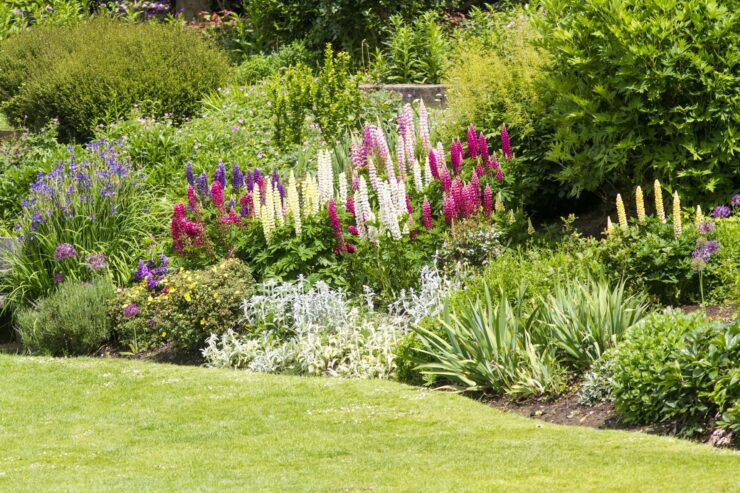
A low-maintenance garden does not mean zero effort. Smart decisions made early reduce daily tasks and long-term upkeep.
Proper plant selection, thoughtful spacing, and healthy soil practices lower demands for watering, weeding, pruning, and fertilizing.
Water use drops, soil stays protected, and plants grow stronger with less intervention.
Plant Picks for Low-Maintenance Gardening

Low effort gardens rely on systems that improve year after year. A self sustaining setup develops gradually and supports long lasting plant health with fewer inputs.
Early planning reduces future workload and prevents common problems tied to poor plant choices.
Plant selection shapes long-term workload more than any other decision.
Choices aligned with site conditions reduce intervention and allow plants to settle into steady growth patterns without constant correction. Soil behavior, sun exposure, and moisture availability should always guide decisions at planting time.
Choosing the Right Plants

Reliable gardens depend on plants that perform well without constant oversight.
Hardy perennials and evergreens provide structure and stability across seasons.
Established root systems help these plants handle temperature swings, dry spells, and seasonal change with limited support.
Soil type, drainage, and sun exposure should guide every selection to prevent stress and decline.
Plants adapted to local conditions tend to share practical traits that reduce maintenance demands, including several key characteristics:
- Slow to moderate growth that limits pruning
- Built-in resistance to common pests and diseases
- Ability to handle changing moisture levels
Dry soil and sunny areas support many resilient species. Lavender, santolina, verbena, and phlomis perform reliably with minimal watering after establishment.
Sedum and ornamental grasses store moisture efficiently and recover quickly after drought.
Creeping thyme spreads low and dense, covering bare soil and limiting weed pressure without aggressive behavior.
Shrubs add long-term structure when growth habits remain controlled. Boxwood and euonymus hold shape naturally and provide year-round greenery with little trimming.
Edible plants also fit low-maintenance goals when timing and placement align correctly. Cool-season vegetables grow during periods of lower pest pressure and reduced watering needs.
Reliable choices include lettuce for quick harvests, onions for steady development, and broccoli for early planting success.
Avoid High Maintenance Plants
Some plant types increase labor regardless of care skill.
High input selections demand repeated attention and often deliver inconsistent results.
Lawns that need frequent mowing, feeding, and irrigation add weekly tasks that accumulate quickly.
Seasonal bedding plants require constant replacement and careful watering.
Decorative pruning styles create ongoing pressure and leave little room for neglect. Plants poorly matched to soil chemistry struggle without repeated amendments and adjustments.
Recurring problem patterns often appear in situations like the following:
- Acid-loving plants placed in alkaline soil
- Fast growing climbers that need constant training
- Ornamental forms dependent on precise shaping
Avoidance of these choices preserves time, reduces frustration, and supports healthier planting systems.
Smart Spacing Rules
Spacing decisions influence plant health long after planting day. Proper distances allow plants to mature naturally without constant thinning or pruning.
Crowding problems often take years to correct once plants reach full size.
Importance of Proper Spacing
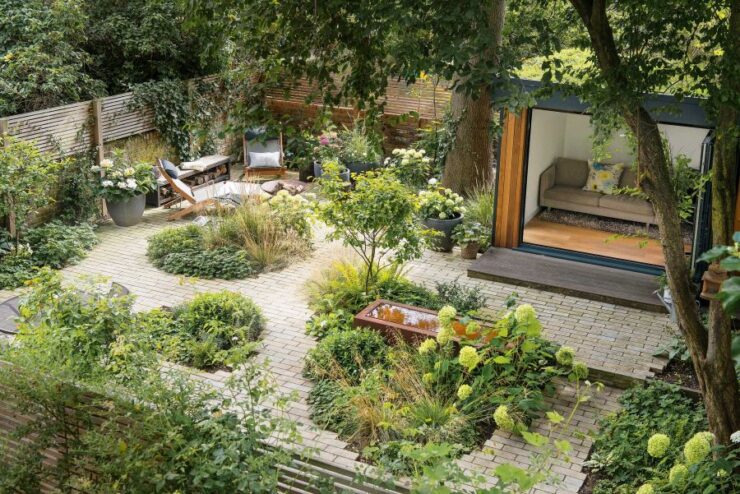
Air movement through foliage limits moisture buildup and slows disease spread. Crowded growth traps humidity and creates ideal conditions for fungal issues.
Root systems also compete less when space allows even access to water and nutrients.
Adequate spacing leads to stronger structure and reduces corrective work later in the season.
Spacing Guidelines
Seed packets and plant labels base recommendations on mature size rather than early appearance.
Bush type crops need room to spread outward and develop airflow between leaves.
Vertical growers tolerate closer placement when supported by trellises or stakes.
Forward planning helps avoid common issues tied to overcrowding, including several long term consequences:
- Excessive pruning required to control size
- Higher disease pressure caused by poor airflow
- Transplant shock during late season corrections
Allowing room for full growth keeps maintenance predictable and manageable.
Layout Tips
Grouping plants by water needs simplifies irrigation and limits waste.
Mass planting reduces exposed soil and suppresses weeds naturally.
Vegetable beds placed near water sources or living areas encourage consistent care and quicker harvest routines.
Mulching Rules for Low-Maintenance Gardens
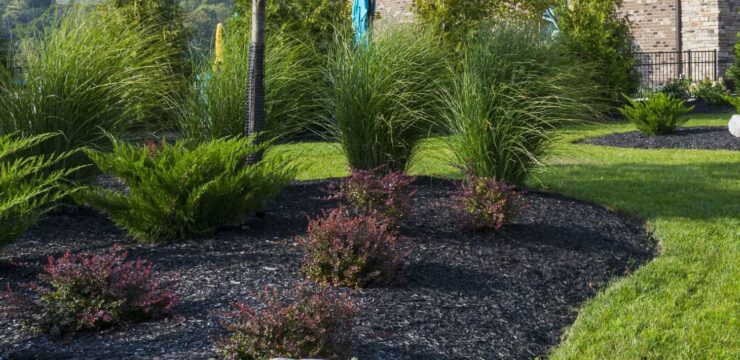
Mulching supports soil health while reducing daily and seasonal tasks.
Correct material choice and proper timing influence long-term success more than mulch quantity alone.
Benefits of Mulching
Light exclusion prevents weed seeds from germinating. Moisture retention stabilizes soil conditions and lowers watering frequency.
Surface coverage protects soil structure during heavy rain and temperature swings.
Organic materials improve texture as they break down, feeding soil organisms and roots.
Seasonal insulation also improves plant survival during freeze and thaw cycles.
Types of Mulch
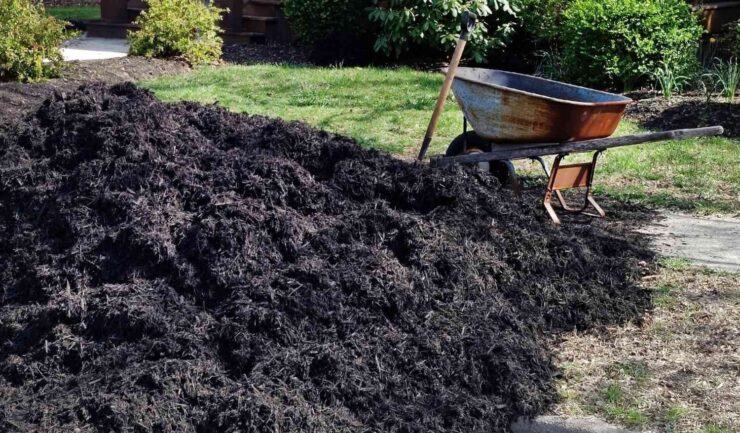
Material choice depends on planting type and long term goals.
Organic Mulch
Organic options contribute directly to soil improvement and moisture control.
Common materials serve different roles based on breakdown speed and structure, including several effective options:
- Bark suited to trees and shrubs due to durability
- Compost supporting edible beds and soil nutrition
- Straw or hay used for vegetables with pest awareness
- Leaf mold improving soil structure quickly
- Wood chips benefiting trees and fungal networks
- Grass clippings applied thinly for nitrogen input
Inorganic Mulch
Gravel and stone provide long lasting coverage and visual structure.
Fabric beneath gravel improves weed control in shrub beds.
Food producing areas gain little benefit since soil receives no organic input.
Application Rules
Preparation ensures effectiveness.
Existing weeds should be removed and soil watered before coverage.
Mulch depth performs best at two to three inches for most materials. Space left around stems and trunks prevents rot and disease.
Organic layers break down gradually and require renewal every one to three years, depending on material and climate.
Design and Infrastructure for Low Maintenance
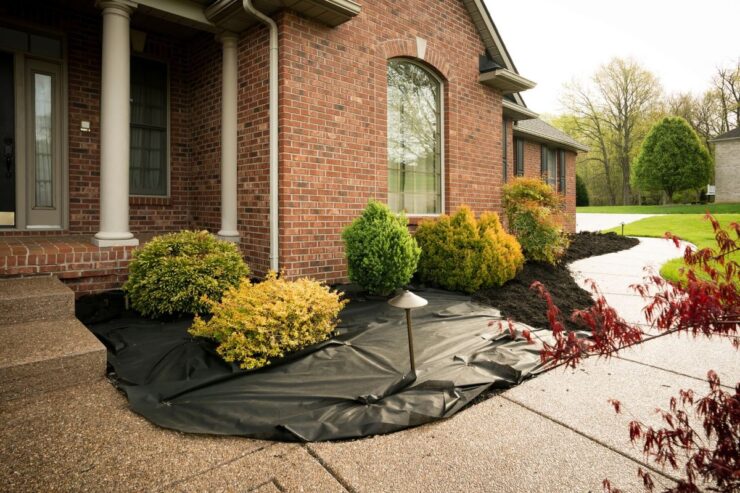
Structural decisions influence daily effort as much as plant choice. Permanent features reduce repetitive tasks and simplify care routines across seasons.
For properties with water features such as ponds or decorative lakes, maintaining water clarity and reducing algae can add significant upkeep.
A practical tool like the JetStream Aqua Blower offers effective surface agitation and circulation, which helps reduce stagnation, control algae, and prevent mosquito breeding, all while supporting a healthier aquatic environment with minimal manual intervention.
Garden Layout
Gravel paths, paved areas, and shrub borders reduce mowing demands and define usable spaces.
Wide planting beds eliminate tight edges that need hand trimming.
Permanent edging materials maintain clean lines and limit spread. Meadow style areas allow infrequent mowing while supporting wildlife activity.
Irrigation
Drip systems deliver water directly to root zones and limit evaporation losses.
Timers support consistent scheduling and reduce manual effort.
Overhead watering increases disease risk and should remain limited. Rainfall patterns should always guide adjustments to prevent excess moisture.
Best Times to Mulch
Timing influences mulch performance as much as material choice. Soil condition at application determines how effectively certain effects are managed:
- Moisture
- Temperature
- Weed pressure
Spring mulching works best after soil warms and excess winter moisture drains away.
Early coverage helps lock in existing moisture and reduces evaporation as temperatures rise.
Weed germination also drops sharply when soil remains shaded during early growth periods.
Fall mulching focuses on protection rather than moisture conservation.
Coverage added after active growth slows helps insulate roots and buffer soil temperature during cold fluctuations. Perennials, shrubs, and young plantings benefit most during this period.
Certain conditions require waiting before application to avoid problems:
- Frozen ground that prevents moisture penetration
- Bone dry soil that blocks water movement
- Waterlogged soil that risks root suffocation
Mulch applied under poor conditions often delays warming or traps unwanted moisture, which leads to stress rather than protection.
The Bottom Line
Low-maintenance gardening succeeds through careful plant choices, proper spacing, and consistent mulching practices.
Thoughtful design and sustainable methods reduce labor while supporting healthy growth.
A well-planned garden rewards effort with long-term ease and enjoyment.