
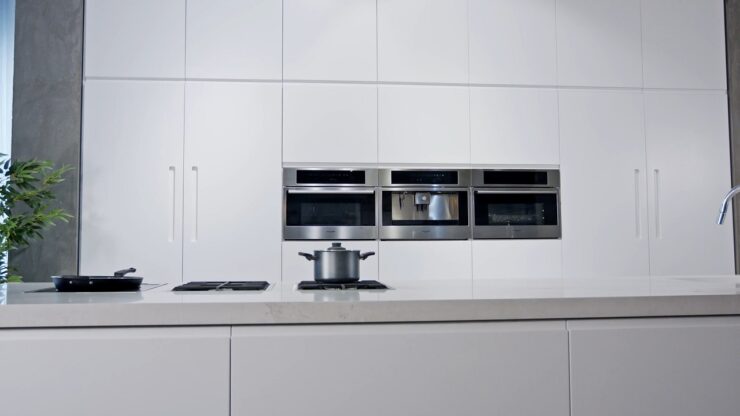
Modern home design works best when every element has a job. A limited palette, clean shapes, and consistent finishes can make interiors feel sharper and easier to maintain.
Outside, the same approach creates a stronger first impression, with materials and details that look intentional from the street.
The tips below focus on simple upgrades that will bring a cleaner look to your home.
Keep A Tight Color Palette
Modern interiors gain clarity when color choices stay limited and intentional. Two or three main tones usually cover walls, large furniture, and fixed elements such as cabinetry or trim.
A smaller accent tone can appear in textiles or decor, then step back. Repetition does the work here.
When colors return from room to room, the home reads as one composed whole rather than a set of unrelated spaces.
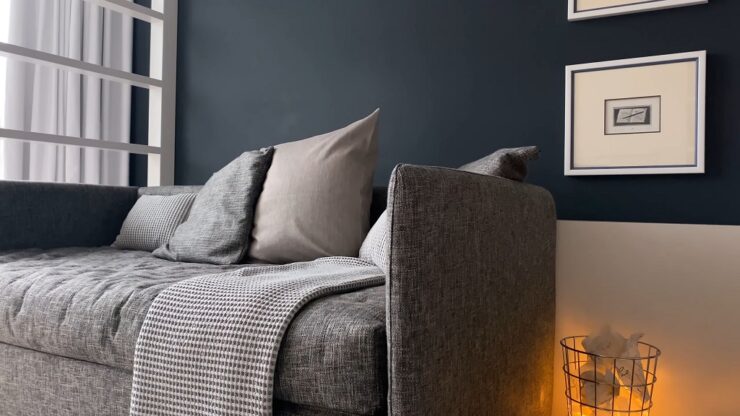
Focus On Large Surfaces First
Walls, floors, and major furniture pieces should set the baseline. Neutral or muted tones work well because they support long term use and simplify future updates.
Control Accent Use
Accent colors should appear sparingly and with purpose. A single chair, artwork, or light fixture often delivers more impact than multiple small pops scattered everywhere.
Use Brick With Intention
Brick earns a place in modern design when treated as a statement material, not a background filler.
One clear application carries more weight than several smaller gestures. Brick can ground a space, add texture, and bring warmth without pushing the design into excess.
View this post on Instagram
Choose One Primary Brick Feature
A fireplace surround, entry wall, or kitchen backdrop works well as a focal point.
On floors, brick flooring can anchor an entry or transitional zone and add durability without visual clutter. Used once, brick flooring feels deliberate rather than decorative.
Keep Detailing Clean
Modern brick applications benefit from tight joints, consistent sizing, and restrained color variation. Avoid decorative patterns that fight the architecture. Brick flooring works best when laid in simple running bonds or stacked layouts.
Match Brick With Simple Surroundings
Brick stands out more when paired with flat walls, clean cabinetry, and limited trim. In exterior spaces, brick flooring near an entry or patio pairs well with plain concrete, metal railings, and simple landscaping.
Simplify Lines And Shapes
Clear geometry remains one of the strongest signals of modern design. Furniture, cabinetry, and architectural details should follow a shared logic.
Straight lines and predictable forms help rooms feel ordered and easy to read.
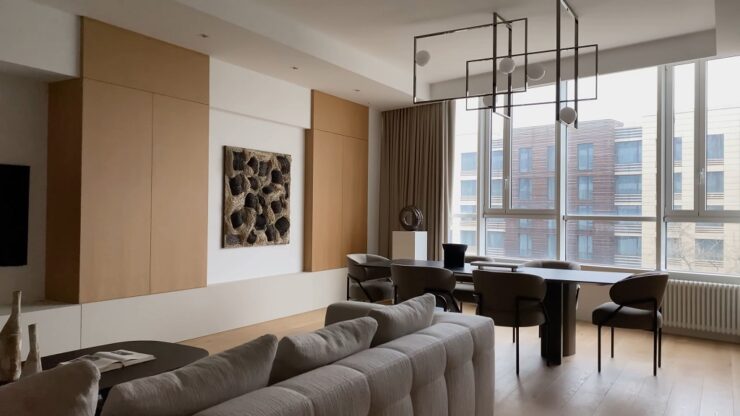
Reduce Decorative Profiles
Skip ornate edges, carved details, and layered moldings. Flat or lightly detailed surfaces keep attention on proportion rather than ornament.
Repeat Shapes
When rectangles dominate furniture, shelving, and windows, the eye relaxes. Circles or curves can appear as accents, not as a competing system.
Reduce Clutter With Built-In Storage
Modern spaces depend on visual order. Storage solutions should remove objects from sight rather than rearrange them on open shelves. Built-in elements support daily use while protecting the overall look.
Cabinets with solid fronts hide everyday items and maintain clean surfaces. Full-height units work especially well in kitchens, entries, and bedrooms.
Repeat Fewer Materials
Modern homes benefit from discipline in material selection. A short list of finishes helps spaces feel connected and intentional.
When too many surfaces compete, the result feels fragmented rather than designed.
Limit The Core Materials
Choose one wood tone, one main flooring type, one wall finish, and one metal finish to carry most of the load. Let those materials appear in multiple rooms to establish continuity.
Use Variation Through Texture
Interest can come from surface texture rather than new materials. Matte next to smooth, natural grain next to polished stone, or soft textiles against hard finishes keeps spaces engaging without adding visual overload.
Choose Simple Cabinetry And Hardware
Cabinetry often sets the tone for kitchens, bathrooms, and storage areas. Clean forms and restrained detailing support a modern look that ages well.
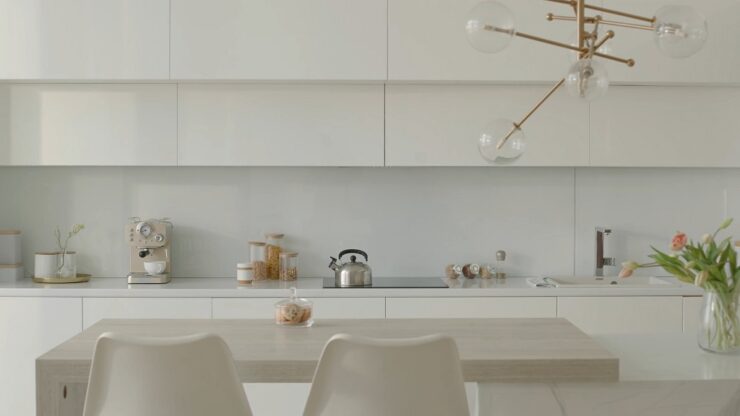
Favor Flat Or Light Profile Doors
Slab fronts or shallow shaker styles keep the focus on proportion. Deep panels and heavy detailing pull attention away from the overall layout.
Keep Hardware Consistent
One handle shape and one finish should carry through a space. Integrated pulls or handle free systems also work well where minimalism matters.
Build Lighting In Layers
Lighting shapes how materials and colors read throughout the day. A layered approach creates comfort and clarity while avoiding harsh or uneven illumination.
Start With General Lighting
Recessed or low profile ceiling fixtures provide a clean base layer. Placement should follow room function rather than symmetry alone.
Add Task And Accent Lighting
Under cabinet lighting, reading lights, and focused fixtures support daily use. Accent lighting can highlight artwork, textures, or architectural elements without overwhelming the room.
Go Bigger With Fewer Decor Pieces
Modern interiors gain strength from restraint. A few well chosen elements usually outperform many small accessories competing for attention.
Choose Statement Scale
One large artwork, a substantial mirror, or a single sculptural plant often defines a space more clearly than several smaller items.
Edit Regularly
Decor should earn its place. Removing excess objects keeps surfaces usable and supports the clean look established by architecture and materials.
Keep Pathways Clear
Movement through a home should feel natural and uninterrupted. Furniture placement plays a major role in how spacious a room feels, regardless of actual size.
Protect Circulation Zones
Main walkways should stay open and easy to read. Sofas, tables, and chairs need placement that supports movement rather than interrupts it.
Avoid Oversized Extras
Extra stools, side tables, and decorative stands often block flow. Removing one or two pieces can improve comfort more than adding new furniture.
Clean Up The Entry
The entry sets expectations for the rest of the home. A clear, organized approach signals intention before anyone steps inside.
Small adjustments often deliver strong impact without major cost.
Define One Clear Focal Point
Choose a single element to lead the space, such as a strong door design, a modern light fixture, or bold house numbers. Too many competing features dilute the message.
Control Storage At The Door
Shoes, bags, and packages need a defined place. A bench with closed storage or a slim cabinet keeps the entry usable and visually composed.
Pick One Metal Finish And Stay Consistent
Consistency in metal finishes ties interior and exterior decisions together. A single finish creates visual calm and avoids a pieced together look.
Choose One Primary Finish
Select one metal tone for door hardware, plumbing fixtures, and major lighting. Carry the same finish to exterior lights and address numbers where possible.
Use Secondary Finishes Sparingly
Secondary metals can appear in small decor or specialty fixtures, but the main finish should dominate. Restraint keeps the design readable and modern.
Last Words
Modern home design comes together through discipline rather than excess. Clear priorities, repeated materials, and intentional details shape spaces that feel current and practical at the same time.
Interior choices such as color control, storage, and lighting set the foundation, while exterior updates like brick features, landscaping structure, and consistent finishes complete the picture.
When every element earns its place, the home looks cleaner, functions better, and stays relevant longer.